
5 Common Mistakes Killing Your Bermuda Grass Lawn in Charlotte, NC (And How to Fix Them)
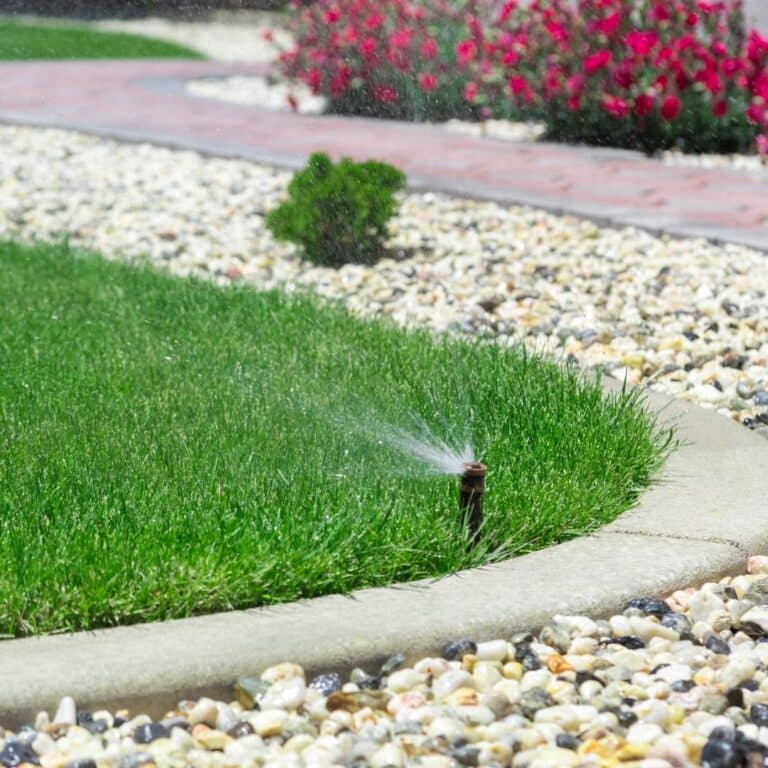
Legacy Turf Care stands out as a locally owned, university-backed company with over 20 years of experience in transforming lawns. But does it live up to the hype? In this review, we’ll delve into the services, customer experiences, and overall value offered by Legacy Turf Care. Core Services Offered by Legacy Turf Care Lawn Fertilization…
Lawn Fertilization: The Foundation of A Healthy Lawn with Legacy Turf Care
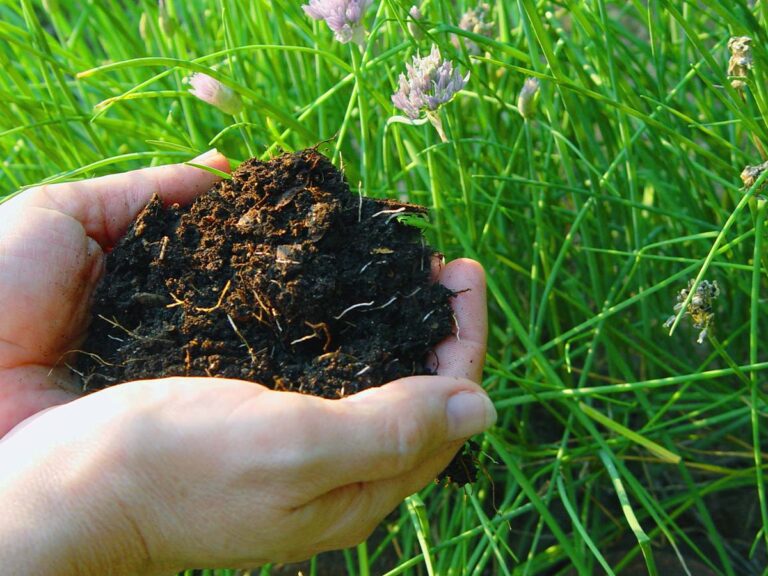
Legacy Turf Care stands out as a locally owned, university-backed company with over 20 years of experience in transforming lawns. But does it live up to the hype? In this review, we’ll delve into the services, customer experiences, and overall value offered by Legacy Turf Care. Core Services Offered by Legacy Turf Care Lawn Fertilization…
Why Is My Neighbor’s Grass Greener?

There may be several reasons why your neighbor may have greener grass. I will touch on the most common things that might affect your lawn. K31 Tall fescue – Most home building/construction companies plant the cheapest variety of tall fescue grass they can find. K31 (Kentucky 31) variety of tall fescue is hands down one…
White Grubs
White grubs are the larvae of scarab beetles. The grubs of economic importance in North Carolina are those of the Japanese beetle, the green June beetle, the southern masked chafer, the northern masked chafer, and the Asiatic garden beetle. Several other species, such as May beetles and June beetles, are also present but usually in…
What Will Fertilizer Do For Your Lawn?
Pre-emergent Crab Grass Preventer + Fertilizer This application creates a short term barrier from newly un-germinated weeds. Stopping them from germinating in the early spring months. This treatment does not stop weeds that have previously germinated in years past that will once again rear their ugly heads at the first sign of spring. The pre-emergent…
Top Dressing
Top dressing is the process of applying compost, soil, or sand over the surface of your lawn. It has been performed on golf courses since the sport was invented in Scotland, but has only recently become popular on home lawns. Good soil is living soil. That may sound like a cliché, but it’s true. One…
Moles
There are some basic facts about these pests that will help you sort this out. Moles create superficial tunnels in your lawn that you can easily see and depress with your foot. They sometimes produce small mounds of fresh soil but not usually. Moles dental structure is such that they cannot eat plants or roots.…
LEAVES ON YOUR LAWN
Home owners tend to turn their attention away from their lawns as autumn arrives. Grass growth slows, and preparing the home itself for the coming cold months seems like a greater priority. But autumn is a crucial time of year for grass. Make a lawn-care mistake in the fall—as many people do—and it could cause…
Brown Patches
As warm (hot!) summer weather approaches the risk of brown patch disease developing in your lawn increases. Because this disease is fast moving and potentially destructive to large areas of grass it is important to recognize the symptoms and begin treatment immediately. Even better, learn the factors that contribute to brown patch disease developing in…
Armyworms
If large areas of your lawn have suddenly disappeared or turned brown, fall armyworm is likely the cause. Established lawns often recover from this injury with little lasting damage, but recently seeded or sodded areas can be more seriously harmed by armyworm feeding. When deciding whether or not to treat, consider the age and health…